Loading blog post...
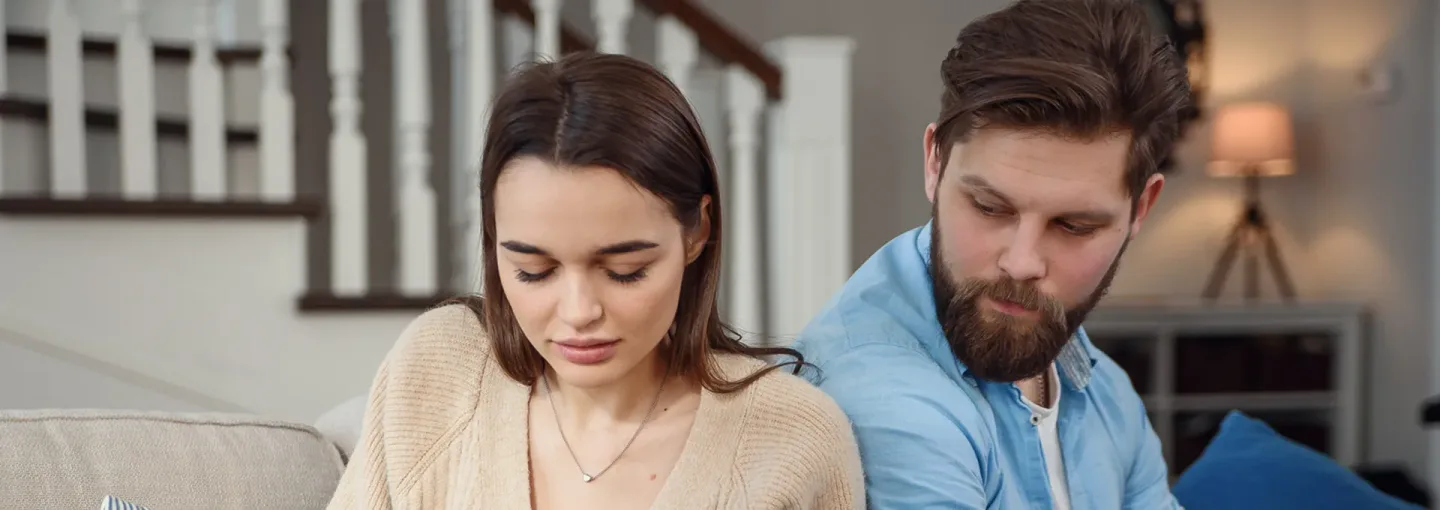
Pocketing is a modern dating term for when one partner avoids introducing the other to their social circles. It keeps the relationship “pocketed” or hidden from important people in their life.
Common signs include never meeting their friends and zero social media presence of you as a couple. You get vague labels like “my friend” when you are introduced. It can happen for many reasons, for example, fear of commitment, keeping options open, and genuinely bad timing. What if it drags on for months without change? Then it is usually a sign the relationship is not moving towards anything real. Psychology Today
Ever dated someone who seemed genuinely into you, but somehow you never met their friends? Their family had no idea you existed. Their Instagram made them look so perpetually single even though you’d been seeing each other for months.
If that sounds familiar, you might have been on the receiving end of pocketing. One of dating cultures is quieter, with more confusing red flags.
Pocketing has become a go-to term in relationship circles, therapy sessions, and those late-night group chats where friends try to decode why their situationship still feels like a secret. So what is pocketing in a relationship, really? And how do you know if it's happening to you?
Let's get into the meaning, the psychology behind it, the warning signs, and what you can actually do about it.
Pocketing (also called "stashing") is when someone you're dating keeps the relationship hidden from their friends, family, and social media, even though things feel real and intimate in private. You might never meet the people who matter to them, get labeled "a friend" when introduced, or notice zero trace of you on their social accounts.
It's not always a red flag. New relationships, privacy preferences, and past heartbreak can all explain a slow introduction. What matters is the pattern: if months pass with no movement toward being acknowledged publicly, that's usually a sign worth paying attention to.
The pocketing meaning is pretty straightforward. It is when someone keeps their partner tucked away in their pocket. Away from friends, family, and the rest of their social life. They are dating you, sometimes seriously, but they never fully bring you into their world.
Pocketing in a relationship means being kept out of sight. Not necessarily because your partner is embarrassed by you, but because they haven't or won't make room for you outside the private little bubble you two share.
If you've ever wondered what "pocketed" means, think of it literally like you're set aside, out of view, and brought out only when it's convenient. This is different from being private or just taking things slow. Pocketing is a pattern, not a phase, and that distinction matters a lot.
Pocketing picked up steam as dating slang exploded online, sitting right alongside terms like ghosting, breadcrumbing, and love bombing. As people started putting names to behaviors that used to go unspoken, "pocketing" became the label for this particular kind of emotional withholding, being dated but never fully claimed.
There is some understandable confusion too. A lot of people search "what does 'pop out' mean in a relationship," assuming it's connected, but that's completely different, unrelated slang. This is usually about someone showing up unexpectedly or looking good. Pocketing is specifically about concealment inside a romantic relationship, not that.
Psychologists describe pocketing as a phenomenon where one partner deliberately keeps their significant other hidden from friends, family, and social media, and it's become more visible ironically because social media makes the absence so obvious. NeuroLaunch
To really define pocketing, you have to look past the surface-level definition and into what's actually happening emotionally.
When someone pockets a partner, they typically:
1.Avoid introducing them to friends or family, even after months together
2.Keep the relationship completely off social media
3.Make excuses whenever plans would mix their social circles
4.Compartmentalize the relationship into a "just us" bubble
5.Show affection privately, but keep their distance publicly
This is not the same as a slow burn or someone who is naturally low-key about their love life. Pocketing relationship dynamics usually involve a consistent, ongoing pattern of exclusion, one partner enjoying all the benefits of a relationship while withholding the social acknowledgment that usually comes with real commitment.
It's basically window shopping without ever taking the item home.

Spotting pocketing in a relationship isn't always easy, especially when everything else about the relationship feels warm and genuine. Here's what to watch for.
This is the biggest tell. Months go by, sometimes longer, and you still haven’t met the people who matter most in your partner’s life. When you bring it up, the answer stays vague, "soon," "it's complicated," or "my friends are just busy right now."
They post their weekend hikes, their coffee order, and their dog, but never you. Ask about it, and you might hear they are “just private” or “don’t like putting relationships online." One or two instances are fine. A consistent, deliberate absence over many months is a different story.
Your dates are great, but they are almost always just two of you. Never a double date, never a group hangout, never running into someone they know. If public outings with any overlaps always seem to get vetoed or pushed back, then pay attention to that.
Maybe you have accidentally run into a coworker of theirs, and they introduced you as ‘a friend.’ Maybe they get visibly uneasy when someone from their life spots you together. That kind of vague, neutral labelling, such as being introduced as ‘a person I know’ instead of a partner, is a classic sign of pocketing. Psychology Today
Pocketed relationships can still feel emotionally close, and that is exactly what makes this so confusing. You might have deep conversations, real intimacy, and real chemistry while still being excluded from the rest of their life. The emotional closeness ends up masking the structural avoidance.

Understanding the “why” behind pocketing relationship behavior can help you figure out whether something is fixable or just who this person is.
Sometimes pocketing comes down to hedging. If someone isn't fully sure about the relationship, keeping it hidden means fewer questions to answer. If it ends, there will be less social fallout if they decide to date other people too.
For some people, introducing a partner to their world feels like a huge leap toward permanence. Pocketing lets them enjoy the companionship without confronting the vulnerability that comes with going public.
Someone who expects an introduction might worry that it won't go well and may avoid it altogether. It can also happen when a person isn't sure how their partner would feel about their friends or loved ones. Someone burned by a public, messy breakup before might pocket a new partner just to avoid explaining another one to their circle. Psychology Today
Some people keep every part of their life strictly separate, like work, family, friends, and romance, not out of malice, but because that is just how they operate. In these cases, pocketing might not be a red flag about you specifically, but a broader pattern worth understanding before you assume the worst.
This is the less comfortable possibility. Sometimes pocketing happens because the person is already in another relationship, married or otherwise not free. It is not a quirk, it is concealment with intent.
Occasionally, external factors are the real reason, cultural expectations, family disapproval, or workplace rules around dating colleagues. These situations call for honest conversation to figure out whether the secrecy is circumstantial or a long-term pattern.

Aspect | Pocketing | “Pocket Method” Dating |
|---|---|---|
What it means | Keeping a romantic partner separate from other areas of your life, such as friends, family, or social circles. | Keeping potential partners as backup options while pursuing someone else more seriously. |
Main dynamic | A person is involved in a relationship but remains largely hidden or compartmentalized. | A person keeps someone in reserve rather than fully pursuing the relationship. |
Relationship stage | More commonly discussed in an established or developing relationship. | Usually discussed in the context of dating or exploring multiple options. |
How it may feel | The pocketed partner may feel hidden, excluded, or uncertain about the relationship. | The person being “pocketed” may feel like a second choice or backup option. |
Key concern | Lack of integration into the partner’s wider life. | Lack of genuine investment or commitment. |
Pocketing can occur in friendships too. It may happen when someone consistently keeps a friend separate from their other social circles, for example, a work friend who never meets their college friends or someone they only ever see one-on-one but never invite to group events.
The underlying pattern is similar, someone is being compartmentalized rather than integrated into a person's wider social life. While friendship pocketing may be less emotionally intense than romantic pocketing, it can still leave you questioning where you stand in the friendship.

Being pocketed can contribute to feelings of insecurity, confusion, and uncertainty about a partner’s commitment. Some people may experience:
If the situation continues without being addressed, it may affect trust, confidence, and how secure a person feels in the relationship.
If any of this sounds familiar, you don't have to accept it or quietly spiral about it. Here's a practical way to approach it.
Skip the accusations and just share what you've observed. Something like, "I've noticed we haven't met each other's friends yet, and I'd love to understand what's going on there." This opens a conversation instead of triggering defensiveness.
It's easy to accept vague comfort like "of course I care about you" without ever addressing the real issue. Push gently for specifics, when would meeting friends or family make sense, and is there a real reason it hasn't happened yet?
Try framing it as "I feel left out when I don't get to meet your friends" instead of "you never let me meet your friends." It's a small shift, but it makes the conversation feel far less like an attack and far more likely to actually go somewhere. Men's Health
Someone who genuinely values the relationship will usually respond with real effort, introducing you soon after and being more open about you online, including you in group plans. Someone who keeps avoiding those steps despite saying the right things is showing you their priorities, not just their words.
You deserve a relationship that grows more visible and more real over time, not one that stays frozen. If months pass with no real change despite the conversations, it might be time to ask yourself whether this relationship is actually meeting your needs.
Sometimes pocketing isn't sinister at all. It might just mean you and your partner move at different paces around social integration. Figuring out whether it's fixable usually comes down to honest, non-defensive conversations about what you both actually expect.

Not necessarily, context matters more. New relationships, long-distance situations, or people easing into vulnerability after past heartbreak might take longer to open their world up to someone. The real difference between a slow burn and a genuine connection usually comes down to duration, communication, and whether there is any visible movement.
A cautious partner will usually show gradual progress toward including you. A partner who's pocketing you will stall indefinitely, deflect your questions, and avoid committing to any kind of timeline at all.
So, what is pocketing in a relationship at its core? It is the experience of being loved or seemingly loved in private while staying invisible in public. It can feel intimate and confusing all at once, which is exactly what makes it so hard to name and even harder to address.
If you suspect you're being pocketed, trust what you're noticing. Healthy relationships tend to grow outward over time, meeting friends, showing up in each other's lives, and being acknowledged openly, not just behind closed doors. If that growth isn't happening, it's worth asking why and deciding what you're willing to accept going forward.
You deserve a relationship that's real everywhere, not just when no one else is around.
Our Concierge Team Is Available 24/7 To Assist You
Pocketing is when someone keeps their romantic partner hidden from friends, family, social circles, or social media, even though the relationship feels genuine and intimate in private.
Being “pocketed” means being kept separate from an important part of your partner’s life. You may spend time together privately but rarely meet their friends or family or appear in their social life.
No, pocketing is not always a red flag. New relationships, personal privacy, family circumstances, or past relationship experiences can explain why someone takes time to introduce a partner to others. The pattern, duration, communication, and progress matter.
Common signs include never meeting their friends or family, avoiding public or group plans, keeping the relationship completely off social media, and introducing you as a friend rather than a romantic partner.
Someone may pocket a partner because they fear commitment, want to keep their options open, have relationship baggage, prefer to compartmentalize different areas of their life, or are dealing with social or family pressure. In some cases, they may also be hiding another relationship.
Privacy is usually a personal preference that applies consistently to someone's relationships and social life. Pocketing involves an ongoing pattern where one partner is specifically excluded from important parts of the other person's life despite the relationship becoming more established.

Crafted with sophistication for extraordinary connections.
Experience favor dating on the go.With the Favor app, you can connect with like-minded individuals, explore exclusive events, and create unforgettable moments-all at your fingertips.

© 2026 Favor in conjunction with Acadecraft Private Limited
© 2026 Favor in conjunction with Acadecraft Private Limited