Loading blog post...

The honeymoon phase is often the most exciting part of a new relationship. You think about each other constantly, look forward to every conversation, and even the simplest moments can feel special. But what exactly does the honeymoon phase mean, and how long can this feeling last?
As a relationship grows, that initial excitement naturally begins to change. You may notice fewer butterflies, more everyday routines, or your first real disagreements. This doesn't necessarily mean you're falling out of love. The honeymoon phase is simply one stage of a relationship, and understanding how it works can help you appreciate what comes next.
Also Read: 7 Stages in a Relationship (From Talking to Commitment)
In this guide, we'll explore what the honeymoon phase is, how long it typically lasts, when it ends, and what happens after this stage of a relationship.
The honeymoon phase is the early stage of a relationship marked by intense excitement, near-constant thinking about your partner, and a temporary blindness to their flaws. A surge in dopamine, norepinephrine, and oxytocin largely drives this excitement.
Research from Helen Fisher's lab puts this "passionate love" window at roughly 12 to 18 months on average, though it can stretch up to two or three years depending on the couple. It ends gradually, not suddenly, as daily routine takes over.
Source: Frontiersin.org
The honeymoon phase is the early stage of a relationship when everything feels exciting, effortless, and new. If you're wondering about the honeymoon period meaning, it refers to this stage of intense attraction, emotional closeness, and excitement between partners. The honeymoon stage of a relationship is often filled with constant communication, affection, and a tendency to overlook each other's flaws. This emotional investment is also what separates it from an FWB relationship meaning - where the arrangement is intentionally kept casual and free of that deepening attachment. It’s also one of the clearest ways to spot the dating vs relationship divide, since this intensity usually signals two people have moved past casual dating into something more defined.
During this phase, couples usually feel a strong desire to spend more time together and learn everything about each other. Simple conversations, dates, and shared experiences can feel more meaningful because both partners are experiencing the joy of discovering someone new. Many people describe this stage as feeling like they are in a “relationship bubble” where challenges seem smaller and the connection feels almost effortless.
This period is also influenced by brain chemicals like dopamine, oxytocin, and norepinephrine, which increase feelings of happiness, attraction, and emotional bonding. Dopamine creates feelings of pleasure and excitement, while oxytocin helps strengthen trust, attachment, and emotional connection between partners. Norepinephrine can contribute to the nervous excitement people often feel, such as butterflies in the stomach, increased energy, and constant thoughts about their partner.
That is why even ordinary moments can feel special when you're with your partner. A simple phone call, a short message, or spending quiet time together may bring a strong sense of happiness and closeness. Couples may also idealize each other during this time, focusing more on positive qualities while paying less attention to differences or imperfections.
The honeymoon stage can look different for every couple. For some, it may last a few months, while for others, the excitement and deep connection may continue for a year or longer. However, the end of this phase does not mean that love is fading. Instead, it often marks the transition into a deeper stage of a relationship where trust, understanding, emotional support, and long-term compatibility become more important.
Understanding the honeymoon phase helps couples recognize that relationships naturally change over time. The intense excitement of the beginning may become calmer, but it can develop into a more stable and meaningful bond built on shared experiences, communication, and genuine care for one another.


Crafted with sophistication for extraordinary connections.
Experience favor dating on the go.With the Favor app, you can connect with like-minded individuals, explore exclusive events, and create unforgettable moments-all at your fingertips.

© 2026 Favor in conjunction with Acadecraft Private Limited
© 2026 Favor in conjunction with Acadecraft Private Limited
“Honeymoon” is older than you would think. It is a little less romantic than the word sounds today. According to etymological research from Etymonline, the term shows up in English as early as 1546, in a poem by John Heywood, and again in 1552 in a dictionary entry by Richard Huloet.
Neither use was flattering, both compared newlywed affection to the moon, noting it's full for a moment and then immediately starts to wane. The implication was pessimistic, and this is as good as it gets, so enjoy it while it lasts.
It took until the early 1800s for "honeymoon" to shift toward its modern meaning of a post-wedding trip, once wealthy British couples started taking "bridal tours" to visit relatives who'd missed the wedding.
This phase isn't just you being romantically dramatic. There's neuroscience behind it. In a widely cited 2005 FMRI study, researcher Helen Fisher and colleagues scanned the brains of people who described themselves as intensely in love. They found heavy activation in the ventral tegmental area, a dopamine-rich region also tied to reward and addiction. That's the same neurochemical pathway implicated in substance cravings, which is part of why new love can feel almost involuntary.
Norepinephrine adds to the racing heart and hyperfocus. The reason you can replay a two-hour conversation in your head without getting bored is rooted in brain chemistry. Oxytocin, the so-called bonding hormone, builds quietly in the background every time you're near this person.
Separate research from psychiatrist Donatella Marazziti found that serotonin-transporter levels during early infatuation resemble those seen in obsessive-compulsive disorder. It typically returns to baseline within about 12 to 18 months, which lines up almost exactly with when most people report the honeymoon phase starting to fade.
Meanwhile, the part of your brain responsible for skepticism and risk assessment gets quieter.
Source: Cambridge.org

The honest answer depends on the couple, but there's a real range backed by research rather than just guesswork. Fisher's neuroscience puts the core window at 12 to 18 months.
Psychologist Dorothy Tennov, who spent decades researching intense early romantic infatuation (a related but distinct state she called "limerence"), found it typically runs anywhere from 18 months to three years.
Stitch those two bodies of research together, and you get the range most relationship therapists actually use: a few months on the short end, up to around two years on the long end, with some couples stretching further. To see how this fits into the bigger picture, check this guide on the healthy dating timeline.
Long-distance couples or people with barely overlapping schedules often see it stretch longer. It is because they haven't logged enough shared everyday life to bump into each other's habits yet. Moving in together fast, going through a stressful stretch, or spending nonstop time together tends to speed things up. More shared reality means the shift happens sooner.
Personality matters too. Some people settle into comfort quickly; others hold onto the spark longer, and neither is a red flag.
It rarely ends with a single moment. It is more like someone slowly turning down a dimmer switch than flipping it off. Most people don’t notice it happening until they look back and realize things feel different from how they did months ago.
In practice, it starts fading once you've had enough ordinary, unremarkable time together that the initial rush settles and daily life takes up more room. You've seen them on a bad day, not just a good one. You've had a first real disagreement and survived it. The excitement of getting to know someone gives way to actually knowing them, being comfortable enough to fold laundry in silence, running errands together, and stopping performing your best self every time you're in the room.
None of that is a loss. It's the relationship doing exactly what it's supposed to do next.
As the honeymoon phase fades, you'll likely notice a few changes in your relationship. These are usually signs that your connection is becoming more realistic and stable, not that love is disappearing.
If several of these signs sound familiar, it doesn't mean you're falling out of love. More often, it means you've moved beyond the honeymoon phase and are building a deeper, more lasting relationship.

The honeymoon stage of a relationship is never meant to last forever. Once it ends, many couples discover that deeper trust and emotional security replace the initial excitement.
Researchers sometimes describe this as a shift from passionate love to companionate love. Passionate love is the version where you can't stop thinking about someone and your judgment gets a little fuzzy.
Companionate love is quieter, built on trust and familiarity, knowing someone's whole deal instead of just their highlight reel. It's fewer fireworks and more foundation, and a foundation is what most long relationships actually stand on. This settled, foundation-first stage is often what people mean by a vanilla relationship, where stability and familiarity matter more than constant excitement.
Losing the honeymoon-phase buzz isn't automatically a warning sign. What matters more is what's left once it fades: Do you still feel respected? Do you still feel like a team? Is effort still there, even if it looks different now? Those questions predict a relationship's health far better than whether the initial spark has cooled.
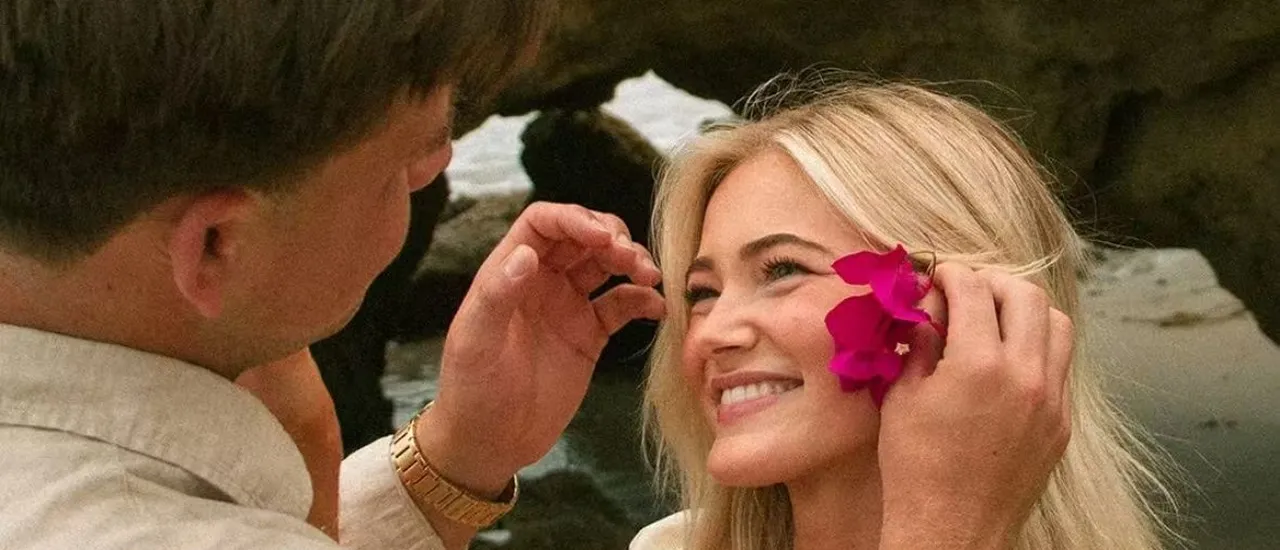
People often use "honeymoon phase," "limerence," and "infatuation" interchangeably, but they're not quite the same thing.
Term | What It's Actually About | How it differs |
|---|---|---|
Honeymoon Phase | The early relationship wide stretch of heightened attraction and low friction | The broadest term describes the whole early stage of a relationship |
Limerence | An intense, often involuntary preoccupation with a specific person, coined by psychologist Dorothy Tennov | Can happen without reciprocation, is more obsessive and can occur outside a relationship entirely |
Passionate Love | The neuroscience term for the dopamine-driven “can’t stop thinking about them” state | A clinical/research label for what the honeymoon phase feels like internally |
Companionate Love | The calmer, trust-based attachment that typically follows | What the honeymoon phase transitions into, not a separate early stage |
Infatuation | A more casual, everyday term for early attraction | Less precise than the others, often used loosely to mean the same thing as honeymoon phase |
Not necessarily. A shorter honeymoon phase can simply mean you spent a lot of time together early on, so real life caught up faster. It can mean you're both naturally low-drama people who don't need months of butterflies to feel settled, or that you already knew each other a bit through friends or work before dating.
A longer honeymoon phase doesn't automatically mean you’ve found something more solid, either. Sometimes it just means you haven't hit your first real stress test yet. The timeline isn't a scoreboard. What actually predicts whether a relationship lasts is how the two of you handle things once the initial rush wears off: how you argue, how you make up, and whether you're still choosing each other on purpose instead of coasting on old excitement.
You are not going to keep the honeymoon phase running forever, and that is genuinely fine. The level of intensity isn’t sustainable for years on end. You can keep real closeness and some genuine excitement alive well past it.
Trying new things together helps more than people expect, since novelty taps into some of that same early-attraction chemistry. A new city, a new hobby, even a restaurant you've never tried. This isn't just a nice idea, and it has been tested directly.
A study led by Arthur Aron found that married couples who spent about 1.5 hours a week doing activities they found exciting were happier in their relationships. They reported higher relationship satisfaction than couples who only did pleasant activities or made no special plans. The improvement remained even after researchers considered how happy the couples already were. In other words, trying new things together is not just fun. It can help bring back some of the excitement and closeness that people often feel during the honeymoon phase.
Small acts of effort also make a difference. Send a random text. Remember something your partner mentioned weeks ago. Check in about your relationship instead of assuming everything is fine. A longer hug or a gentle touch on the shoulder can also help you stay connected. These are all different love languages in action knowing which ones matter most to your partner can help you choose the gestures that land, instead of guessing. Most importantly, accept that every relationship changes over time. Trying to keep the honeymoon phase alive forever often leads to disappointment. Embracing the next stage usually creates a stronger and healthier relationship.

The honeymoon stage of a relationship looks different for every couple. Some experience overwhelming excitement, while others enjoy a calmer but equally meaningful emotional connection.
Some people experience it loudly, can't eat, can't sleep, and text all day, borderline obsessive. Others get a quieter version, more like a steady sense of really liking being around this person, without much drama attached to it at all.
Both are normal versions of the same stage. How intensely your honeymoon phase felt says more about your personality and attachment history than it does about how strong the relationship actually is. For some people, the intensity feels less like a phase and more like a destined encounter - the kind often described in a twin flame relationship, where the connection feels profound and transformative from the very start.
Yes, the honeymoon phase is not always a one-time experience. Many couples experience smaller "second honeymoon phases" at different stages of their relationship. These moments often happen when partners create new memories together, overcome challenges, or enter a new chapter of life as a couple.
A second honeymoon phase can occur after a meaningful event such as a romantic vacation, moving in together, getting engaged, celebrating an important milestone, spending time apart and reconnecting, or successfully working through a difficult period. These experiences can remind couples why they were attracted to each other in the first place and help rebuild feelings of excitement and appreciation.
Research on self-expansion theory suggests that couples who continue to explore new activities and experiences together often feel more satisfied and connected in their relationships. Trying something unfamiliar, whether it is traveling to a new place, starting a hobby together, learning a skill, or simply changing up everyday routines, can recreate some of the curiosity and excitement that often exists at the beginning of a relationship.
New experiences can activate the brain’s reward system and encourage feelings of closeness, excitement, and emotional connection. However, a second honeymoon phase is usually different from the first one. The early honeymoon stage is often driven by discovery, attraction, and the excitement of getting to know someone new. Later moments of renewed connection are built on deeper understanding, trust, shared memories, and emotional security.
Couples often experience this renewed spark after achieving a shared goal, overcoming obstacles together, or intentionally making more time for each other after a busy period. Even small changes, such as planning regular date nights, showing appreciation, expressing affection, or having meaningful conversations, can help bring back a sense of closeness.
The honeymoon phase does not simply disappear forever once the initial excitement fades. Instead, relationships often move through different seasons. Much like cuffing season, when people naturally seek deeper connection as the year winds down, couples often find renewed closeness after the initial honeymoon rush settles. The intense early rush naturally becomes a more stable form of love, but couples who continue to nurture their bond can experience new waves of excitement, romance, and connection throughout their relationship.

The honeymoon period meaning goes beyond excitement and butterflies. It describes a temporary stage that naturally gives way to deeper trust, emotional security, and long-term commitment.
When the intensity fades, it's not a verdict on the relationship. It's just your brain handing the job over to something steadier. What matters most is what you do next. Choosing each other every day, even after the early excitement fades, is what shapes your relationship.
Our Concierge Team Is Available 24/7 To Assist You
It's the early stage where excitement and infatuation run the show, driven largely by dopamine, norepinephrine, and oxytocin, before daily routines and real-life friction settle in.
Research from Helen Fisher's lab puts the core neurochemical window at 12 to 18 months, though related research on limerence suggests intense early feelings can run up to two or three years in some cases.
Gradually, not suddenly. You'll notice less nonstop texting, small habits starting to register, more comfort being your unfiltered self, and your first real disagreements.
Yes. It usually just means you and your partner reached everyday familiarity faster than average, not that anything's wrong.
No. It generally means the relationship is settling into companionate love, which tends to hold up better long-term than the passionate-love stage that came before it.
Not in its original form, but plenty of couples get real bursts of it again through shared new experiences, travel, and genuine effort. It is sometimes called a "second honeymoon phase."

A soft launch is when you hint at a new relationship online without revealing your partner. See what it means and why couples do it.
Shivanya Yogmayaa
10 July 2026

Sex appeal is the quality that makes someone attractive to others. Learn what creates it and simple ways to build your own.
Shivanya Yogmayaa
24 June 2026

What does flaky person mean? See 10 real signs, why people act flaky in relationships and proven ways to deal with flaky behavior without losing yourself.
Jaya Bahaduri
12 June 2026

From a French kiss to a forehead kiss, discover 25 types of kisses and what each one really means - plus tips on romantic kissing techniques.
Sahil Das
07 July 2026

Discover hypergamy meaning, definition, examples, and psychology in dating. Learn whether hypergamy is real and its impact on modern relationships today.
Shivanya Yogmayaa
17 June 2026

Trophy wife meaning explained: origin, definition, key characteristics, and real modern examples that show why the classic stereotype rarely holds true.
Sonali Negi
07 July 2026
Learn the ick meaning in relationship, what causes the ick, how it appears in chat, and whether relationships can recover after getting the ick.
Sahil Das
15 July 2026

Learn the benching meaning in dating: what it is, 6 clear signs, benching vs ghosting, and exactly how to respond and move on for good.
Sonali Negi
13 July 2026