

Looking at open relationship examples can make the concept much easier to understand. Every couple creates boundaries that suit their relationship, so no two open relationships look the same.
Loading blog post...

An open relationship is a committed partnership where both partners mutually agree that they can have romantic or sexual connections with other people. If you're wondering what is an open relationship and how does it work, the answer lies in mutual consent, trust, and clear boundaries.
Open relationships come in many shapes. Some couples keep it strictly physical, while others allow an emotional connection too. The details depend entirely on what the two people decide and what works for them.
The open relationship meaning is simple. It describes a committed relationship where both partners agree they can have romantic or sexual relationships with other people. A lot of people assume an open relationship means “no commitment” or “anything goes with a couple". That’s not the whole picture. Most open couples are deeply committed to each other, and they don’t define that commitment through exclusivity.
Here's what an open relationship is not:
People choose open relationships for all kinds of reasons. Some feel that one person can’t reasonably meet every emotional, social, or physical need another person has.
Others simply don't feel naturally monogamous and would rather be honest about that than pretend otherwise. Some couples find that it strengthens what they already have.
None of these reasons is more valid than the others. It's a personal choice, and for it to work, it has to be a shared one.
If you're curious to know more on what is an open relationship and how does it work, you're not alone. This blog provides an open relationship explained in simple terms, covering the rules, benefits, challenges, and real-life examples to help you understand whether this relationship style is right for you.
Keeping the open relationship meaning in mind helps make sense of why open marriages work a little differently, even though the two terms often get used interchangeably.

Understanding the open marriage meaning is important because many people confuse it with an open relationship. While both involve consensual non-monogamy, an open marriage specifically refers to a legally married couple.
Aspect | Open Relationship | Open Marriage |
|---|---|---|
Who does it apply to | Any committed couple (dating, engaged, or married) | Couples who are legally married |
Relationship status | Committed but not necessarily married | Legally married partners |
Exclusivity | Both partners agree they can have romantic or sexual relationships with others | Married partners mutually agree to have outside relationships while remaining married |
Core foundation | Mutual consent, trust, communication, and clear boundaries | Mutual consent, trust, communication, and clear boundaries |
Primary commitment | The committed relationship remains the priority | The marriage remains the priority |
Legal status | No legal marital commitment required | Marriage remains legally intact |
Looking at open relationship examples can make the concept much easier to understand. Every couple creates boundaries that suit their relationship, so no two open relationships look the same.
Both partners can have physical connections with others, but the emotional side stays between the two of them. The primary relationship always comes first.
For instance, Sussie and Jim have been together for five years. They’re each other’s person and live together, sharing finances and plans. But they’ve agreed that if either of them meets someone while traveling or at school, intimacy is fine. They don’t report back in detail, but they do check in with each other regularly to make sure both of them are still comfortable.
Both people can form multiple relationships, including emotional and physical, at the same time. Everyone involved knows about everyone else.
For instance, Kenny loves Monica and Sara. All three of them know each other. They sometimes spend time together as a group. There is no ranking; each relationship matters on its own terms.
A couple engages with other people or couples, usually through shared experiences. The focus is on keeping it something they do as a unit, not separately.
For instance, Tily and Stefan occasionally meet other couples at social events where this kind of thing happens. For them, it's something they do together, and it adds energy to their relationship. Developing feelings for anyone else is a firm line for both of them. That's often because intense infatuation, or what's known as limerence meaning and signs, can blur the boundaries a couple has agreed on."
Both people are free to see others, but they don't share the details. They'd rather not know the specifics, as long as there's no deception and everyone stays safe.
For instance, Nina and Dev travel for work regularly and are apart for weeks at a time. They've agreed that what happens during those periods stays private. When they're together, they focus entirely on each other.
Mostly exclusive, with rare, agreed-upon exceptions. The exceptions are specific, negotiated, and uncommon, not a regular thing. This is often the closest an open arrangement gets to a vanilla relationship, where the structure stays traditional and exclusive except for a few clearly defined exceptions.
For instance, Abby and Christopher consider themselves a committed couple. But when one of them is away for more than six weeks at a stretch, they’ve agreed that casual connections are fine during that time. Outside of that, they’re exclusive.
Seeing these examples side by side makes the open relationship meaning much easier to apply to real life, rather than just as an abstract definition.
Many people ask, are open relationships healthy? Research suggests they can be, provided both partners communicate openly, trust each other, and agree on the relationship boundaries.
A nationally representative study published in The Journal of Sex Research (Fairbrother, Hart & Fairbrother, 2019) found that relationship satisfaction does not differ significantly between people in open relationships and those in monogamous ones.
The stronger predictor of satisfaction was not the relationship structure itself. It was whether a person's actual relationship matched what they genuinely wanted.
The study suggests that how a couple communicates matters more than the relationship structure itself. Honest conversations, mutual consent, and clear boundaries play a bigger role in relationship success than exclusivity.
Like any relationship, open relationships can still face challenges. Jealousy, insecurity, and social stigma are common concerns. However, many couples manage these issues through regular communication, trust, and agreed-upon boundaries.
The takeaway is simple. A healthy open relationship depends on both partners wanting the arrangement and continuing to communicate openly. The relationship structure alone does not determine whether a couple is happy or successful.
Studies in open relationship psychology suggest that relationship satisfaction depends more on communication, trust, and shared expectations than on whether a couple chooses monogamy or consensual non-monogamy.
Source: Fairbrother N, Hart TA, Fairbrother M. Open Relationship Prevalence, Characteristics, and Correlates in a Nationally Representative Sample of Canadian Adults. Journal of Sex Research. 2019;56(6):695–704. Pubmed.gov
Research from the University of Rochester, published in the Journal of Sex Research, found that the success of open relationships depends significantly on communication quality between all parties and that not all open relationships face the same challenges. The study assessed different types of non-monogamous relationships independently, identifying specific conditions under which they tend to succeed or become strained.
Source: Sciencedaily.com

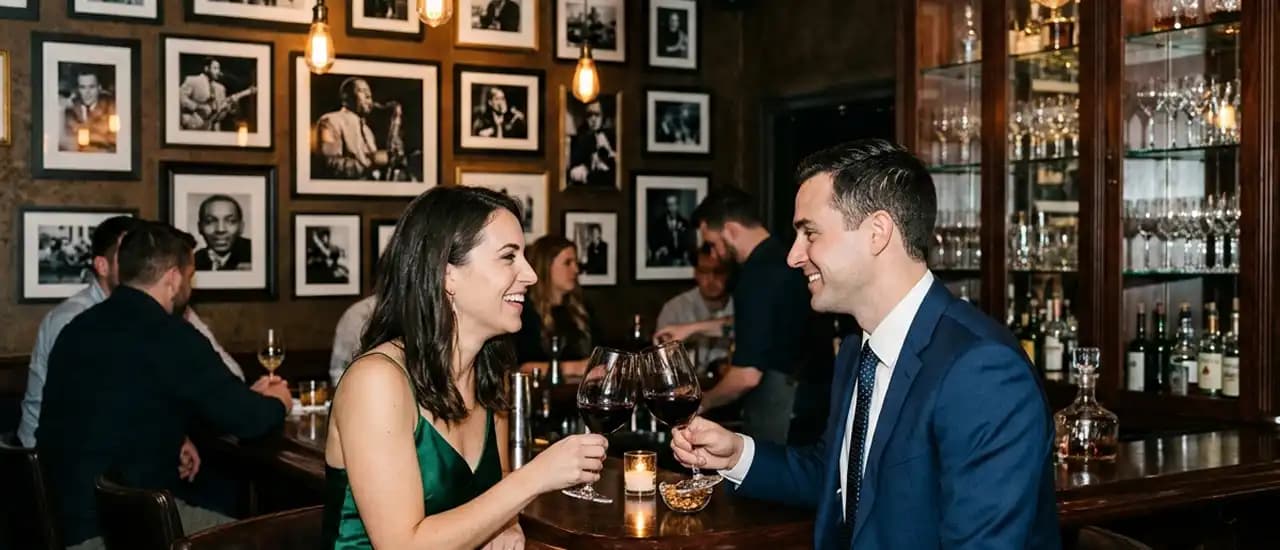

Social stigma keeps open relationships largely invisible in everyday conversations. Couples rarely announce this kind of arrangement to friends, family, or colleagues, so the practice appears far rarer than it actually is.
People in their 20s and 30s are far more likely to see open relationships as a valid personal choice rather than a moral failing. The "this is wrong" reaction is noticeably less common among this age group than it was even a decade ago.
Reddit, podcasts, YouTube, and dating apps have made open relationships more visible. As a result, more people are learning about them than ever before.
Because of family expectations and social norms, couples who try open relationships often do so without telling a single person in their lives. The silence around it doesn't mean it isn't happening.
Many people ask, what are the benefits of an open relationship? For couples who genuinely choose this lifestyle together, the benefits can include greater honesty, stronger communication, increased personal freedom, and deeper trust.
Many people feel attraction to others even when they're in happy relationships. An open relationship lets them acknowledge that honestly, instead of bottling it up or acting on it secretly.
Open relationships force hard conversations. Over time, couples who have those conversations regularly tend to know each other and themselves much better.
When people feel trapped by a rule they didn't fully buy into, resentment builds quietly. Open relationships remove that particular source of friction.
Meeting new people, navigating new dynamics, and learning about your own reactions teach you things about yourself that staying comfortable often doesn't.
This sounds counterintuitive, but many people in open relationships say they appreciate their primary partner more, not less, because they're not operating under the illusion that one person has to be everything.
Understanding the open relationship pros and cons can help couples decide whether this relationship style is right for them.
Pros | Cons |
|---|---|
Freedom without deception | It takes real emotional maturity to manage |
Tends to improve communication | Jealousy and insecurity will come up |
Supports personal growth | Scheduling and time become complicated |
Removes resentment from unmet needs | Social stigma is real and can be exhausting |
Builds a different kind of trust | One partner may feel less important |
Partners stay honest about who they are | Doesn't work if one person is reluctant |
Understanding what are the rules of an open relationship is essential before opening your relationship. Every couple sets different boundaries, but clear communication and mutual consent are always the foundation.
One reluctant yes isn't consent. If one person agrees only because they're afraid of losing the other, the arrangement will cause damage. Both people need to genuinely want to try this.
Sexual health has to be talked about directly. Most couples agree on using protection with outside partners and getting tested regularly. This is a non-negotiable for most people who do this well.
Physical only? Emotional connections allowed, too? Only strangers? Only when apart? Get specific. Vague agreements lead to hurt feelings and broken trust, not because anyone was malicious, but because people filled in the gaps differently.
Some couples want full transparency. Others prefer not to hear details. Either approach works, but you have to agree on which one you're doing.
Many couples have a rule that the person they're with always comes first. No cancelling plans for someone new. No bringing outside partners into shared spaces without discussion. The primary relationship gets protected.
What works now might not work in six months. Build in honest conversations, not just when something goes wrong.
It will come up. The rule isn't "don't feel jealous." The rule is "When you do, say so rather than act out."

Learning how to start an open relationship begins with honest self-reflection. Before discussing it with your partner, make sure you understand your reasons and are prepared for an open conversation.
Before you say anything, sit with the question honestly. Are you curious and happy but want more freedom? Or are you unhappy and hoping this will fix it? These are very different starting points, and they lead to very different outcomes. If you're still dating and haven't settled into a defined relationship yet, some general dating advice can help you clarify what you actually want before bringing up a structure like this.
Don't bring it up mid-argument or when either of you is stressed. Find a calm, unhurried time when you can both actually talk.
Your partner's reaction matters. If they're uncomfortable, that's real information. Listen to it instead of trying to talk them out of it.
Many couples agree to a limited trial period before committing to a full arrangement. This gives both people a chance to see how they actually feel, not just how they think they'll feel.
Don't act first and sort it out later. Have the rules conversation while you're both calm.
A therapist who knows this territory can help you have the hard conversations more clearly. It's not a sign that something is wrong; it's a practical tool.

Aspect | Open Relationship | Friends With Benefits |
|---|---|---|
Primary commitment | Yes to a main partner | No primary partner |
Emotional bond with primary | Central to the whole thing | Not part of it |
Rules and boundaries | Explicit and agreed on | Usually informal |
Long-term intention | Often, yes. | Usually casual and temporary |
Outside connections | Possible for both | Usually just the two people involved |
What makes any relationship healthy is the same regardless of structure: both people feel valued, heard, and safe. Both people have a real say in what happens. Both people are growing. Whether you're in a monogamous or open setup, knowing the qualities of a good boyfriend - like showing up consistently, communicating openly, and making your partner feel secure - forms the foundation of any healthy relationship.
Open relationships aren't for everyone, and that's fine. But for people who choose them honestly, not out of desperation or to fix something broken, but out of genuine desire and curiosity, they can be some of the most honest and fulfilling partnerships around.
The structure doesn't determine the health of a relationship. The people inside it do.
Whether you’re exploring the open relationship meaning or specifically the open marriage meaning, the same principles of honesty and mutual consent apply either way.
By now, you should have a clear understanding of the open relationship meaning, its benefits, challenges, and whether open relationships are healthy for the right couples. The success of any healthy open relationship depends on honesty, mutual respect, and ongoing communication rather than the relationship structure itself.
If you're curious, that curiosity is worth taking seriously. Talk to your partner. Read more. Maybe talk to a therapist. The worst that happens is you learn something about yourself. The best that happens is you build a relationship that actually fits the two of you.
At its core, the open relationship meaning always comes back to the same thing: honesty between two people who genuinely want the same arrangement.
Our Concierge Team Is Available 24/7 To Assist You
An open relationship is when two committed partners agree that one or both of them can have romantic or sexual connections with other people. The defining part is that both people know and have agreed to it. It's a consensual arrangement, not a secret one.
An open relationship is healthy when both partners genuinely want the arrangement, communicate openly, and maintain mutual trust. The structure itself isn't what makes a relationship healthy or unhealthy, but the people in it.
The most important ones are that both people have to truly want it, sexual health has to be protected, you need to define clearly what "open" means for your specific relationship, and you need to check in with each other regularly. Beyond that, every couple writes its own rules.
Choose a calm moment. Frame it as a question you want to explore together, not a decision you've already made. Be honest about what's driving your interest. Then listen, really listen, to how they respond.
Yes. Many couples maintain open relationships happily for years. The ones that last are the ones where both people keep communicating, keep prioritizing each other, and stay willing to update their arrangement as things change.
"Open relationship" is the broad term, it covers any consensual non-monogamous setup. Polyamory is one specific type, where people form multiple loving, emotionally significant relationships at the same time.

Not sure about the DTR meaning or when to define the relationship? Learn what is DTR in dating, the right timing, and exactly what to say.
Sahil Das
08 May 2026
Compare the 15 best dating sites for serious relationships, from top-rated online apps to niche platforms, and find a lasting, meaningful match today.
Sonali Negi
26 June 2026

Learn what a casual relationship means and how it works. Explore key rules to follow and the main differences between casual and serious relationships.
Jaya Bahaduri
19 June 2026

Need to cancel a date? Learn polite ways, honest excuses, perfect timing, and text examples to cancel without hurting feelings or burning bridges.
Sonali Negi
08 July 2026
Tired of the same old conversations? Try 50+ fun, dumb, stupid, and this-or-that questions that make date night, car rides, or lazy nights fun again.
Sonali Negi
22 June 2026

What are standards in a relationship, and how are they different from expectations? See real examples of high standards - plus double standards to avoid.
Sonali Negi
21 August 2026

What does it mean to be loyal in a relationship? Explore the true definition of loyalty in a relationship with 20 real signs of a loyal partner.
Aditi Chaudhary
10 June 2026

Explore different types of relationships, from romantic and casual to open and long-distance relationships, and understand what each type means. Visit !!
Shivanya Yogmayaa
21 August 2026

Crafted with sophistication for extraordinary connections.
Experience favor dating on the go.With the Favor app, you can connect with like-minded individuals, explore exclusive events, and create unforgettable moments-all at your fingertips.

© 2026 Favor in conjunction with Acadecraft Private Limited
© 2026 Favor in conjunction with Acadecraft Private Limited