
Understanding the causes of fear of rejection is one of the most useful things you can do. When you see where it came from, it stops feeling like a personal flaw and starts feeling like a very human response to your experiences.
Loading blog post...

Fear of rejection can stop you from asking someone out, applying for an opportunity, sharing your feelings, or taking chances that could change your life. If you have ever avoided doing something because you were afraid of hearing "no," you are not alone.
Learning how to overcome fear of rejection starts with understanding why rejection feels so personal in the first place. For many people, the fear is not simply about someone saying no. It is the worry that rejection means they are not good enough, attractive enough, or worthy of acceptance.
The good news is that you can learn how to stop fearing rejection. In this guide, you will discover the fear of rejection meaning, its common causes and psychology, how to deal with rejection, how to not take rejection personally, and practical ways to handle rejection in dating and everyday life. If you're looking for more dating advice to build confidence before you even get to the rejection stage, our guide library covers everything from first-date nerves to long-term relationship habits.
Before we try to fix something, we need to understand what it actually is. The fear of rejection is simply this: you're afraid that if you put yourself out there and someone says no, it means something is wrong with you. Not just that they weren't interested, but that you are not good enough, not likeable, not worthy.
Not just "they weren't interested." But “I am not good enough. I am not likeable. I am not worthy.”
That leap from a single “no” to a sweeping judgment about your entire worth is what makes rejection so painful. It is not the rejection itself that hurts, but the story we tell about it afterward.
Quick note on fear of rejection psychology: Researchers have found that social rejection activates the same areas of the brain as physical pain. So when rejection stings, it's not you being dramatic, it's your nervous system doing exactly what it was wired to do.
Source: Apa.org
Humans are social creatures. For thousands of years, being rejected from the tribe meant being left alone in the wild. That was genuinely dangerous. So our brains learned to treat rejection as a threat, and that alarm system is still running today, even when the "rejection" is just someone swiping left on a dating app.
According to research, approximately 12.1% of adults in the United States will experience social anxiety disorder rooted in fear of rejection at some point in their lives, with more than 7% affected in any given year.
Research also shows that social isolation linked to chronic rejection sensitivity is associated with a 32% higher risk of all-cause mortality across a pool of more than 2.2 million people studied.
Studies using Cognitive Behavioral Therapy (CBT) to treat fear of rejection and social anxiety report an 80% response rate, making it one of the most evidence-backed approaches for overcoming rejection-related fear.


Crafted with sophistication for extraordinary connections.
Experience favor dating on the go.With the Favor app, you can connect with like-minded individuals, explore exclusive events, and create unforgettable moments-all at your fingertips.

© 2026 Favor in conjunction with Acadecraft Private Limited
© 2026 Favor in conjunction with Acadecraft Private Limited
Understanding the causes of fear of rejection is one of the most useful things you can do. When you see where it came from, it stops feeling like a personal flaw and starts feeling like a very human response to your experiences.
If you grew up in a home where love felt conditional, where approval depended on performance, or where a parent was emotionally unavailable, you may have learned early that people leave, pull away, or disapprove. That lesson gets baked in deep.
Being cheated on, ghosted, or left unexpectedly can leave invisible bruises. Each new situation starts to feel like a rerun of an old one, even when it isn't. This is especially true for people coming out of a situationship, where the lack of clarity about what the relationship even was can leave you doubting your own judgment and bracing for rejection in every new connection.
If you already don't feel great about yourself, any rejection feels like confirmation of what you already feared. It lands much harder than it needs to.
This isn't just a feeling. A meta-analysis pooling 75 separate studies found that people who are highly sensitive to rejection also report meaningfully higher rates of anxiety and depression, which is part of why old wounds make new rejections sting more.
Source: Sciencedirect.com
Perfectionists often avoid trying because trying means possibly failing. Rejection becomes proof that they weren't good enough, which is the one thing perfectionists cannot tolerate.
Scrolling through social media and seeing everyone else's highlight reel makes ordinary rejection feel even more humiliating by comparison.
You may recognize yourself in one or more of these. That's okay. Knowing the source doesn't make the fear disappear, but it does make it easier to respond to it rationally instead of just reacting.
For example, in New York City, therapists working with young professionals report that a significant portion of clients in their 20s and 30s cite fear of rejection as the primary reason they have not pursued promotions, asked for raises, or reached out to build new professional connections, despite having strong qualifications and a genuine desire to advance.
Similarly, in cities like Mumbai and London where competitive academic and career environments begin early, adolescents as young as 13 often show avoidance behaviors tied to rejection sensitivity, including skipping extracurricular tryouts, avoiding group projects, and declining to speak in class. These patterns can compound over time if the root fear is left unaddressed.
Fear of rejection in dating is probably the most common and the most painful. There's a reason for that.
When we pursue someone romantically, we're not just asking if they want to get coffee. We're putting our attractiveness, our personality, and our desirability all on the line at once. It feels deeply personal because it is personal.
A friend of mine, who's 47, smart, warm, and genuinely lovely, went two years without going on a single date after her divorce. Not because she didn't want to. But because every time she thought about putting herself out there, her brain whispered, "What if they say no? What does that mean about me at this age?" It took her a year of small, gradual steps before she felt comfortable enough to try again.
If you're wondering how to handle rejection in dating, the first thing to understand is this:

Sometimes you will face rejection. No amount of mindset work can prevent that. So knowing how to deal with rejection when it does happen is just as important as learning not to fear it.
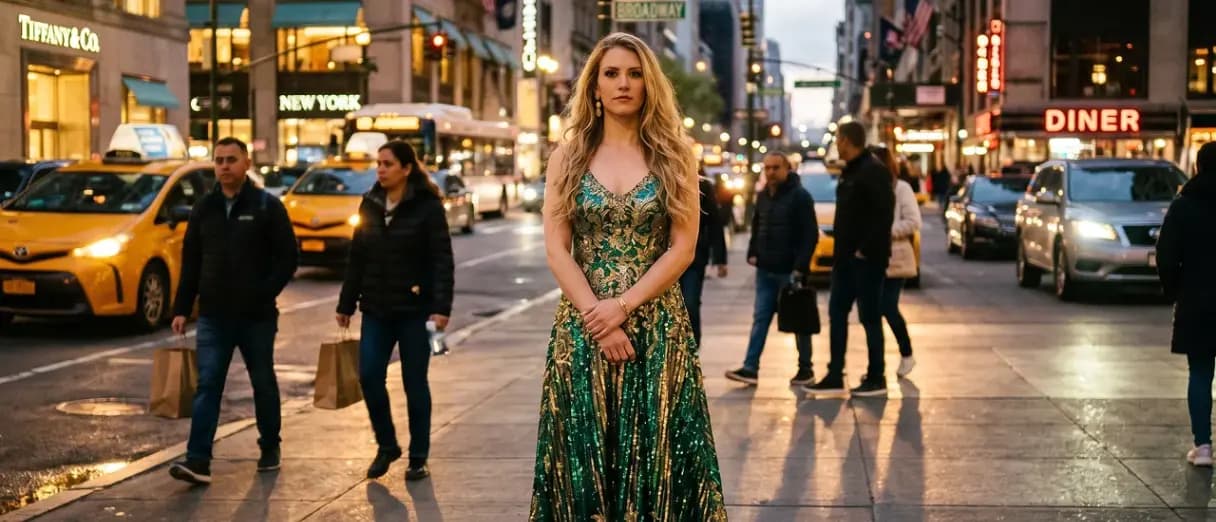
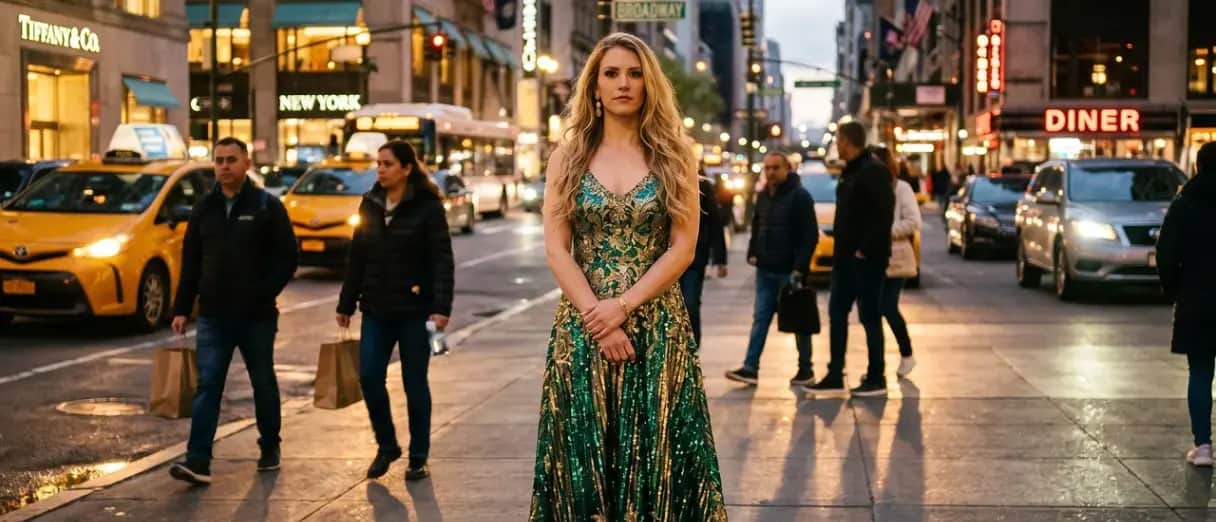
Don't rush past the sting. If you got rejected by someone you liked or didn't get the job you wanted, it's okay to feel disappointed. Sit with it for a moment. Pushing it down doesn't make it go away, it just makes it resurface later at inconvenient times.
Don't catastrophize. Our brains love to spiral. "They said no" becomes "No one will ever want me" becomes "I'll die alone." Watch that spiral and gently interrupt it. One "no" is one data point. That's all.
Talk to someone you trust. Rejection shared is rejection halved. A good friend, a sibling, or even a journal can help you process what happened without blowing it out of proportion.
Rejection always feels more devastating in the first 24 hours. Don't make sweeping decisions about yourself or your future in that window. Sleep on it. Eat something. Come back to it with fresh eyes.
This is the one everyone wants, how to not take rejection personally. And it's genuinely possible, even if it takes practice.
The key is to understand the difference between what rejection says about the situation and what you’re afraid it says about you.
When someone declines a date, they're saying, "This isn't the right fit for me right now." They are not saying, “You are fundamentally unlovable.”
For instance, when a job application gets rejected, the company is saying, "We found someone whose skills matched this role better." They are not saying, “You will never be good enough for anything.”
That math is not personal, it's just volume. The average corporate job posting now draws around 250 applications, so a single rejection usually says more about the size of the applicant pool than it does about you.
Source: Zippia.com
Personalizing happens in the gap between those two things, and you have control over what you put in that gap.
After a rejection, write down the story you're telling yourself about it. Then write down a more neutral, factual version. Read both, and notice how different they feel. The second version is usually much closer to the truth.
Consider this, you reject things all the time. You scroll past restaurants that don't appeal to you. You don't call back people who don't interest you. Does that mean those restaurants are terrible? Does it mean those people are worthless? Of course not. You just weren't the right fit. The same logic applies when someone doesn't choose you.
Understanding the psychology of fear is one thing, but what do you actually do? Here, we’ve discussed a practical approach to how to stop fearing rejection over time.
Start with small risks, and don't just jump from "I never put myself out there" to "I'm going to ask out my dream person." That's too big a leap, start small. Ask a stranger a question. Send a message to an old friend. Express a minor opinion in a group setting. Each small risk that doesn't end in disaster is evidence that you can handle more than you think. This can feel especially heavy if socializing already drains you rather than energizes you. Dating as an introvert comes with its own version of this challenge, and it helps to know what to expect going in.
Separate your worth from outcomes. Your value as a person is not decided by whether someone says yes or no to you. This sounds obvious when you say it out loud, but most of us behave as if the opposite is true. Practice saying to yourself, out loud if necessary: "I am a worthwhile person regardless of how this turns out." Say it before you take a risk, not just after.
Reject the idea of a "perfect approach." A big part of the fear of rejection comes from believing that if you just said the right thing, in the right way, at the right time, you'd never get rejected. That's not how people work. There is no magic script. Sometimes rejection happens regardless of how well you handle yourself. Accept that, and a lot of the pressure lifts.
Build your identity outside of approval. If your sense of self is almost entirely based on what other people think of you, every rejection feels like an earthquake. Work on building a self that exists independently, your values, your interests, your sense of humor, and your skills. The more robust your inner foundation, the less any single rejection can shake it.
Practice self-compassion. This is not the same as making excuses for yourself. It means talking to yourself the way you'd talk to a good friend who just got rejected. You wouldn't say to a friend, "Of course they said no, you're not attractive enough." You'd say, "Hey, that hurts."It's okay. You tried, and that matters.

Since dating rejections tend to sting the most, let’s go a bit deeper on how to deal with dating rejection healthily.
1.First, understand that dating is, by design, a process of elimination. Most people you meet will not be the right person for you. That's not failure, it's just how the math works. Every "no" gets you closer to the "yes" that matters. And if you're still figuring out how to find love in the first place, remember that each "no" is simply part of the process, not a verdict on you.
2.Second, stop treating every date as an audition for your worthiness. Go in curious about them, not anxious about whether they'll approve of you. Ask yourself: "Am I interested in this person?" rather than "Will this person be interested in me?" That tiny shift in focus changes everything about how you show up.
I know a man in his early 50s who went through a brutal divorce. For two years, he avoided dating entirely, not because he didn't want companionship, but because he was terrified of being rejected again after everything he'd already been through. He finally started going on dates when a friend pointed out something simple: "Every date you go on, you're also evaluating them. You're not just hoping to pass an exam. You're also grading the teacher." That reframe changed how he approached the whole thing.
3. A romantic rejection is not a life event. It is a Tuesday. The sun still rises. Your friends still love you. Your value at work, your role in your family, your hobbies, none of that changes because one person wasn't the right fit.
You are not your rejections. You are what you do after them.
Learning how to overcome fear of rejection is not about becoming someone who doesn't care. It's about becoming someone who cares enough about their own life to take the risk anyway, knowing that a "no" won't break them and that a "yes" is always worth the chance. And when that 'yes' finally comes, these love quotes are a good place to turn when you're ready to put how you feel into words.
Start small. Be kind to yourself. Keep going
Our Concierge Team Is Available 24/7 To Assist You
Your brain treats rejection as a threat to belonging. Even a small “no” can trigger deeper fears of exclusion or inadequacy.
It rarely disappears completely, but it becomes easier to manage. Over time, it has less influence on your decisions and actions.
There’s no fixed timeline; it depends on your experiences. Consistently taking small risks helps build confidence gradually.
Avoidance may feel safe, but it strengthens the fear. Facing small, manageable situations is a more effective long-term approach.
Acknowledge what happened without over-analysing it. Then redirect your focus—writing or talking it out can help break the loop.
No, rejection is often about a mismatch or timing. It doesn’t define your value or who you are as a person.

PDA in a relationship means public displays of affection like hand holding or kissing. See what it signals about your bond and when it becomes too much.
Shivanya Yogmayaa
24 June 2026
Discover 200 good morning messages and texts, romantic, cute, and flirty, for her and him. Find the perfect one on Favor to make your partner smile today.
Sonali Negi
16 July 2026

Explore 50 second date questions to ask. Spark meaningful conversations, build attraction, reveal compatibility, and create deep connections.
Jaya Bahaduri
22 June 2026

What is ghosting? Discover the ghosting meaning, why people ghost, warning signs, and how to respond and heal after being ghosted in dating.
Shivanya Yogmayaa
06 May 2026

Find compliments for men and women, words of affirmation examples, and nice things to say to your boyfriend or girlfriend that actually land.
Sonali Negi
05 August 2026

Learn what the 3 date rule means, how it works in modern dating, and whether it helps create stronger, lasting connections for intentional daters today.
Jaya Bahaduri
05 June 2026

Discover 25+ home date night ideas for couples, from romantic dinners and games to creative activities and cozy ways to reconnect at home.
Sonali Negi
01 June 2026

Explore 25 anniversary date ideas for couples, romantic dinners, budget nights at home, weekend trips, and gift ideas for every anniversary.
Sonali Negi
20 July 2026